Choosing the Right Carbide Bit Grade for Your Application
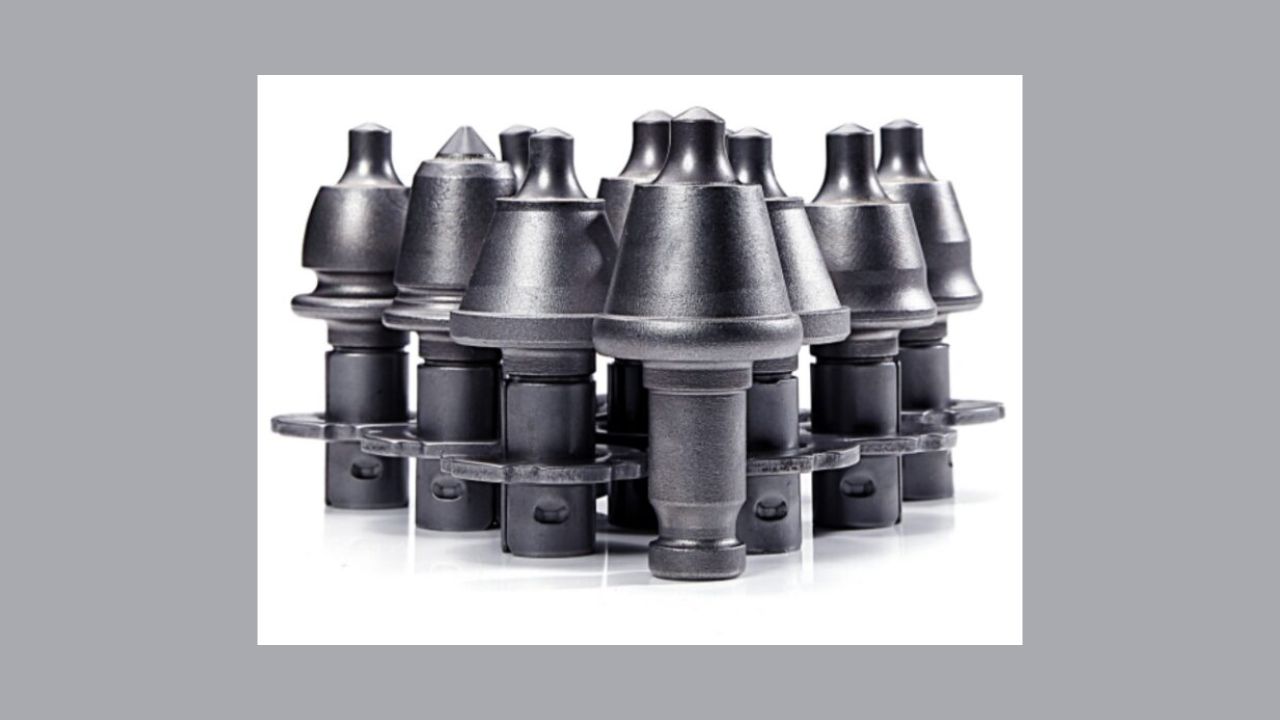
Carbide bits are vital wear components in road milling, trenching, mining, and construction. The grade of carbide in the cutting tip is a major factor in their performance. The correct grade of carbide bit will be critical in terms of efficiency, reduction of tool wear, and attaining consistency in cutting. Hardness and resistance to wear also depend on the working conditions, and that is why the carbide bits are normally categorized into light, medium, and heavy-duty. The information on the selection of the right carbide bit grades (light/medium/heavy duty) to be used in any given application can significantly improve productivity and reduce operating costs.
Understanding Carbide Bit Grades
The grades of carbide bits are defined in terms of the strength, hardness, and wear-resistance of tungsten carbide in the cutting end. Such grades are designed to work with different degrees of stress and abrasion. Light-duty carbide bits are made to cut softer materials and are less demanding, whereas medium-duty bits provide a compromise in durability and versatility. Hardened steel carbide bits are designed to withstand the harsh conditions in which high impact and extreme abrasion are prevalent.
The grade is produced with a given carbide composition and grain structure, with performance depending on this. Better hardness is normally achieved by a finer grain structure, and toughness by a coarser structure. The choice is determined by a balance in these properties depending on the requirements of the application.
Light Duty Carbide Bits and Their Applications
The light-duty carbide bits are intended to be used on comparatively soft surfaces and low-impact operations. These bits are usually employed in tasks like light asphalt milling, soil stabilization, and surface leveling in which material resistance is less than significant. They are used when it is desirable to cut accurately and finish surface smooth cuts rather than rough cuts of the material.
Since light-duty bits are more vulnerable to severe abrasion, they are most suitable in controlled surroundings where wear factors can be foreseen. They are also prone to providing cost benefits since they are less intense with respect to materials.
Medium Duty Carbide Bits for Balanced Performance
The most popular grade used in industry is medium-duty carbide bits, as they offer a compromise of toughness and wear resistance. These bits can be used in mixed conditions on the surface, like asphalt and light concrete milling. They are good for road construction works where surface materials have different hardness or densities.
Medium-duty carbide bits are versatile and can be used in the general-purpose milling machine and by contractors dealing with various job sites. They have a longer service life than light-duty bits and still have a good cutting efficiency. They are the most economical option in most situations in which they are needed to operate daily, and the conditions are not too soft or too abrasive.
Heavy Duty Carbide Bits for Extreme Conditions
The carbide bits are heavy-duty and designed to be used in the most demanding applications. These are hard concrete milling, high-reinforced surfaces, mining environments, and high-abrasion environments. They are made of carbide so that they can absorb the impact of extreme force and can be exposed to severe abrasive substances.
These bits normally possess a stronger bonding ability of the carbide tip and the steel body, enabling them to withstand high loads. Although they are pricier than other grades, they have a long life and a low failure rate, and thus are very cost-effective in harsh working environments. The right environment should have heavy-duty bits, which considerably minimize the downtime and enhance the reliability of operations.
Factors to Consider When Choosing a Carbide Bit Grade
To choose the appropriate carbide bit grade, it is important to consider various factors related to its operation. The most significant factor is the material hardness, and various surfaces, like asphalt, concrete, or even soil, demand various cutting strengths. The decision also depends on machine power and operating speed, with a larger and more aggressive cutting tool possible on a higher-powered machine.
Project duration and intensity are other key factors. Continuous-running projects that take a long time are frequently an advantage to higher-grade carbide bits because of their longevity. Conversely, light-duty or short-duration work might not involve the use of heavy-duty equipment and can be efficiently performed using lighter grades.
Conclusion
The decision on which grade of carbide bit to use is highly crucial in achieving good results and economy in labor. There are carbide bits of light, medium, and heavy-duty, depending on the nature of work and conditions. With the appropriate grade, the tool has a longer life span, increased efficiency, and minimizes machine issues. When the incorrect grade is employed, the bit may wear out early or fail to work well, and this may cause additional expense and delays. Operators can determine the appropriate carbide bit by comprehending the job requirements and the type of surface, and make their work more efficient and reliable.